Tuesday morning
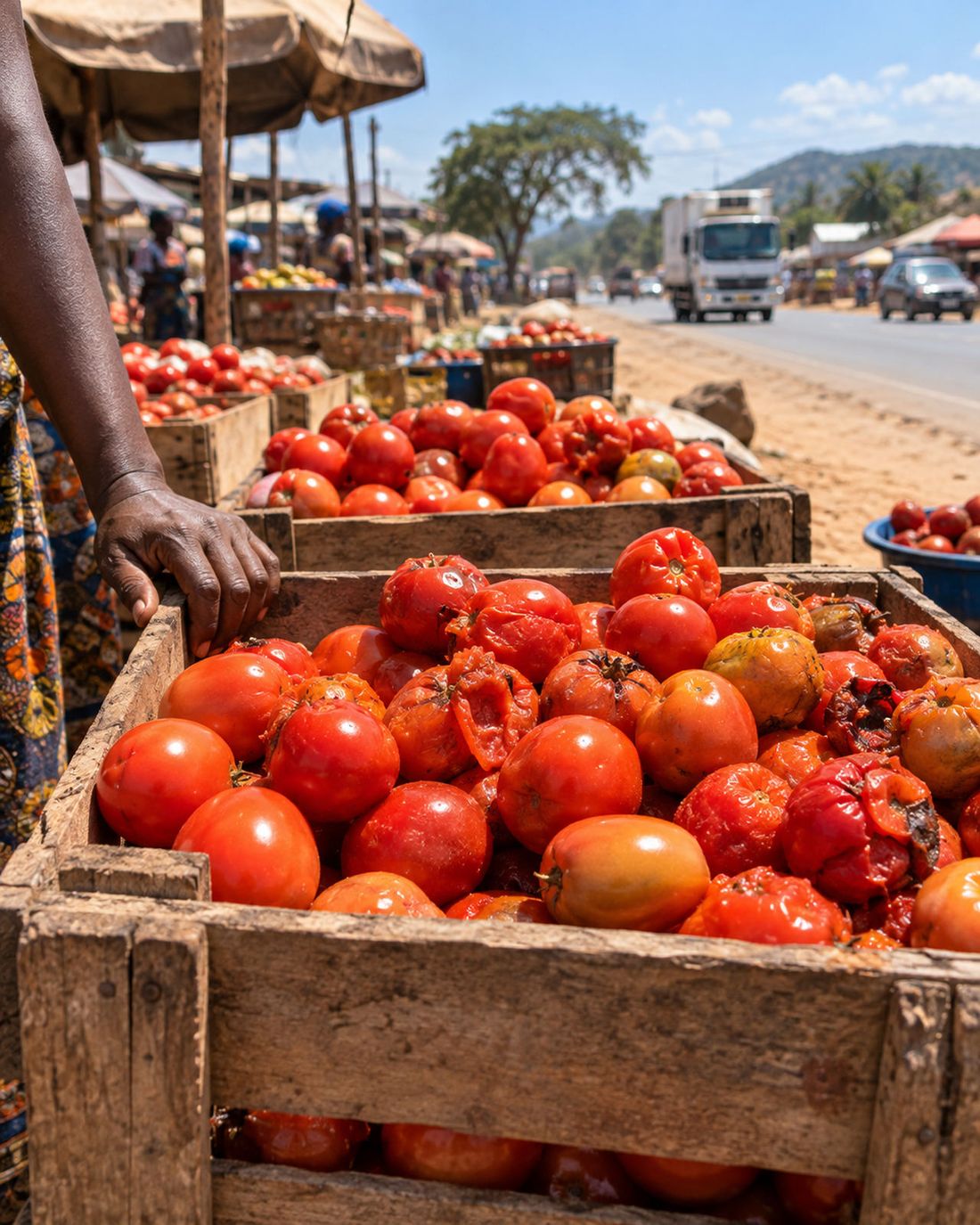
A farmer picks his tomatoes on Tuesday morning. They are firm, red and ready. By the afternoon they are sitting in the sun at 32 degrees. He has no cold room, and the truck that comes for them has no cold box.
From that moment he is selling against the clock. Every hour in the heat brings his tomatoes closer to soft, split and unsellable. He has a few days at most.
Everyone harvests in the same week
His neighbors planted at the same time, so they harvest at the same time. The market floods. Traders know the farmers cannot wait, and the price falls week by week.
Across Ghana, 30 to 50 percent of fruit and vegetables are lost after picking. That is food worth about $1.9 billion US dollars a year that never reaches a plate.
The buyer feels it too
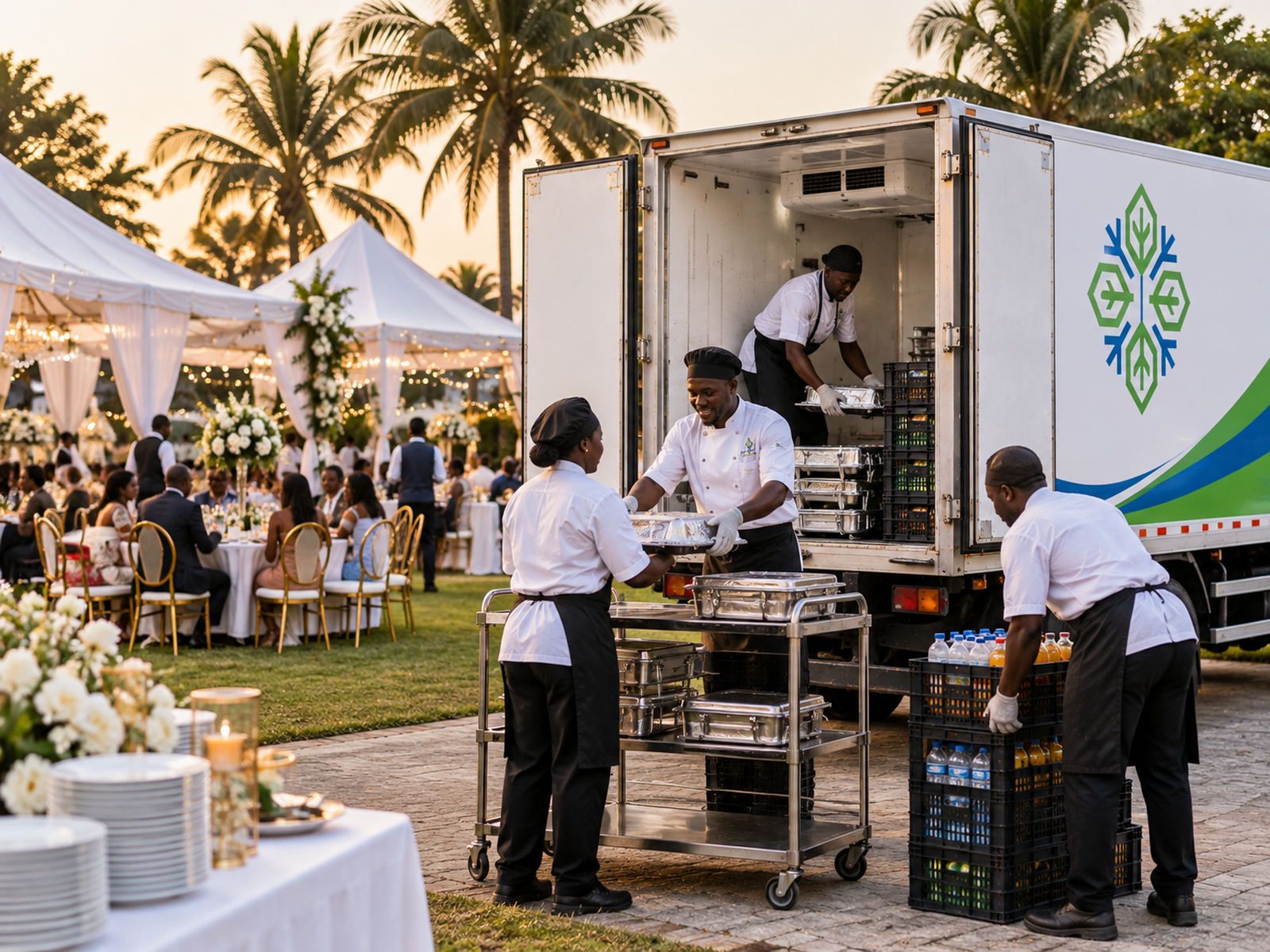
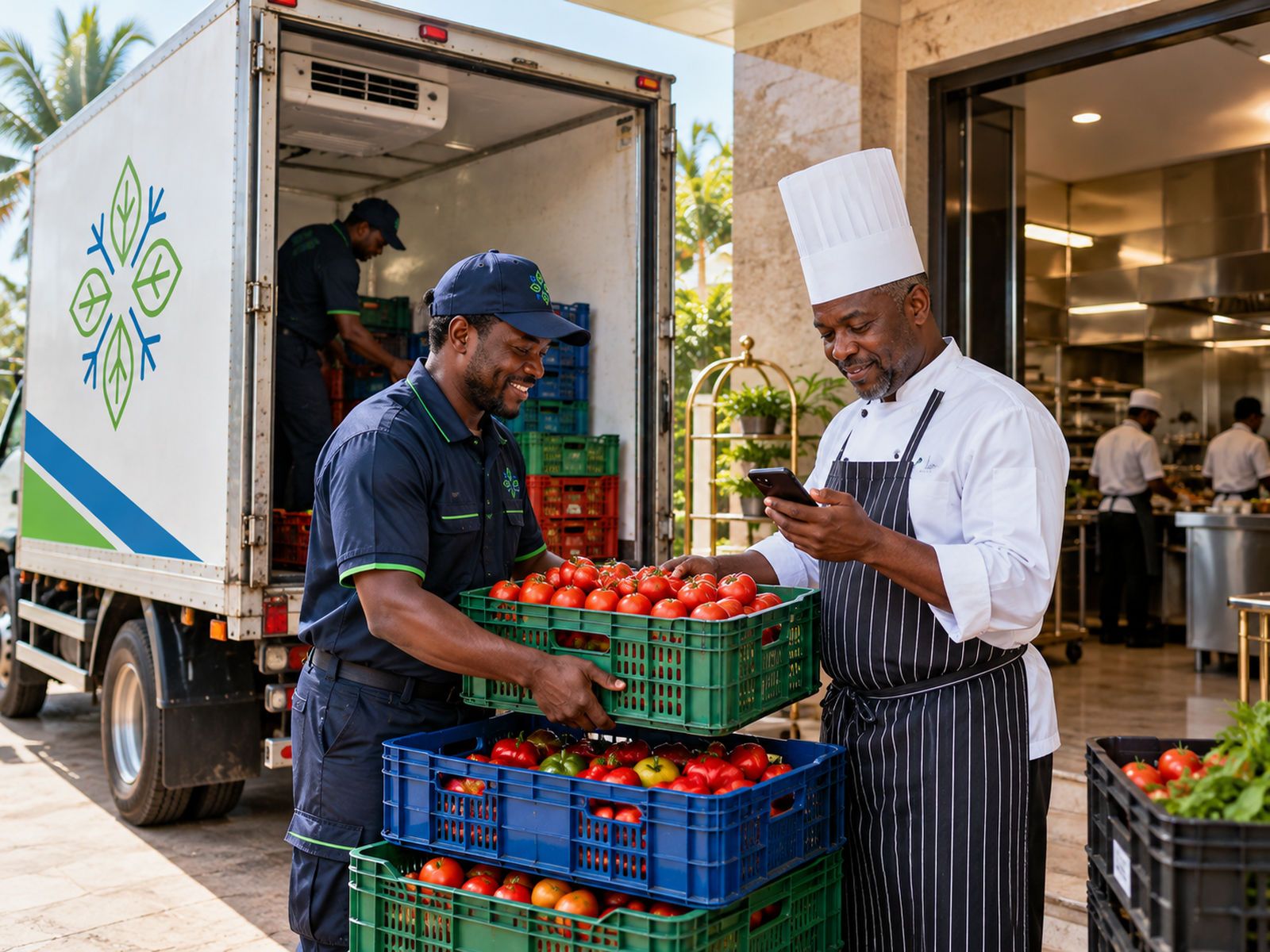
At the same time, a hotel in Accra needs two tons of good tomatoes every week. Nobody will promise them at a price, a grade and a date. What does arrive is often warm, and part of it goes straight in the bin.
The farmer has too many tomatoes and too little time. The hotel has too few good tomatoes and no one to rely on. The missing piece between them is cold.
What changes when the cold starts at the farm
- The order comes first. The farmer knows the price and the pickup day before he picks.
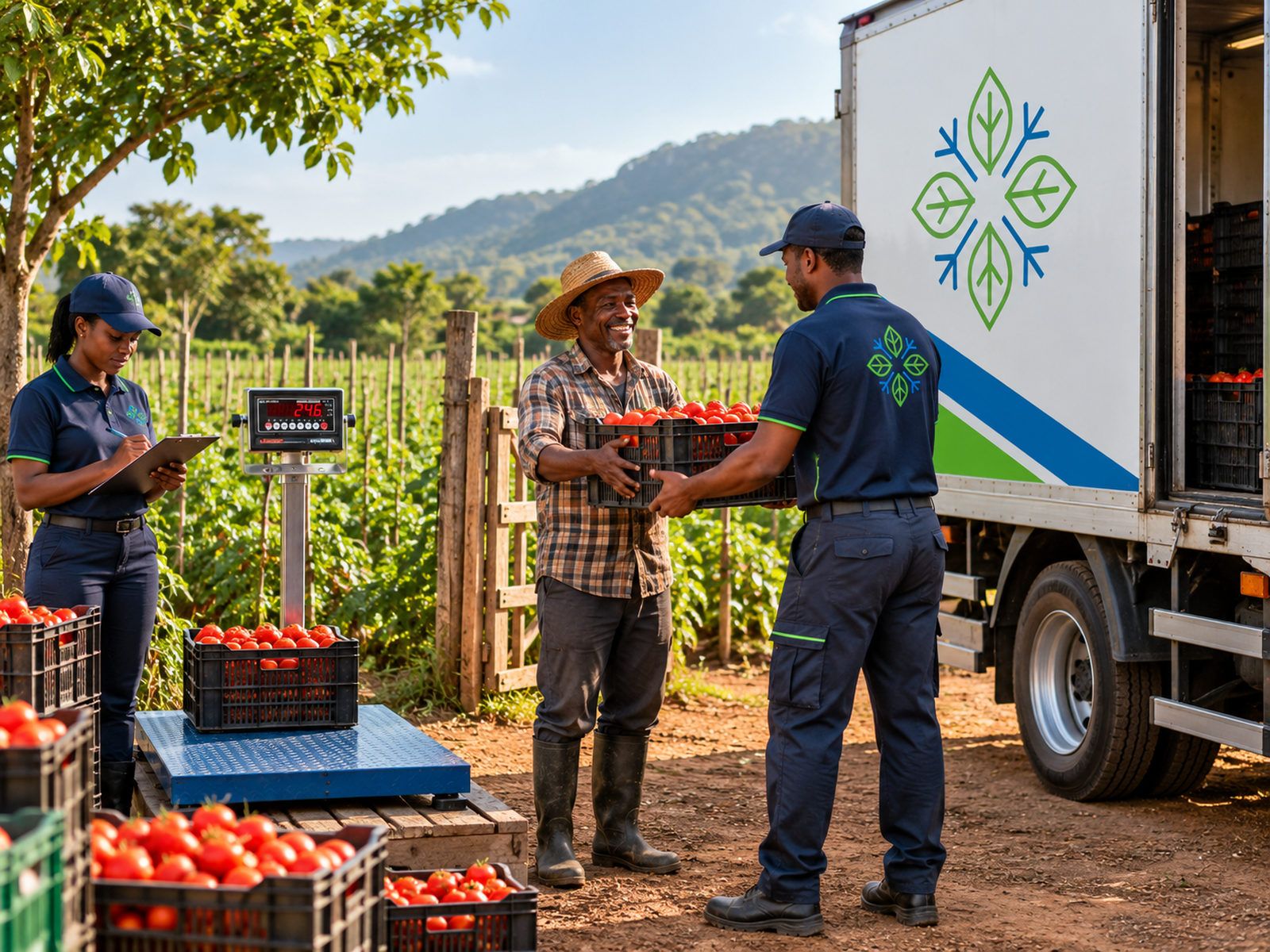
- The truck comes to him. His crop is weighed and graded at the farm gate and saved to his account.
- The tomatoes go cold within hours. Straight into a refrigerated truck, not left in the sun until evening.
- He is paid fast. By mobile money, within 24 hours.
- The buyer can check. The hotel follows the truck and sees the temperature record when the order arrives.
The tomatoes are the same tomatoes. The difference is time, and cold buys time.